OTOL established
A sanitary-ware business built for long-term product and market development.
Founded in 2008, OTOL is a factory-backed China-based sanitary-ware brand with its own production operations and OEM/ODM programs for smart toilets, faucets, toilets, basins and bathroom hardware. Model-specific production scope is confirmed during project review.
Quality and inspection requirements are agreed for the selected product and order.
Any cUPC, ETL, WaterMark, WELS, CE, UKCA, WRAS, WaterSense or accessibility statement is confirmed only after the applicable document is reviewed for the exact model, variant and destination.
About OTOL · Factory-backed since 2008
Founded in 2008, OTOL combines brand and product development with its own production operations across smart toilets, ceramic ware, bathroom furniture, bathtubs, faucets, showers and accessories.
How OTOL works
The workflow keeps product, evidence and commercial decisions connected.
A sanitary-ware business built for long-term product and market development.
Market, channel, target customers and technical requirements are documented.
Products are selected across the full bathroom rather than as isolated SKUs.
Specifications and available compliance evidence are checked against each model.
Approved models, packaging and commercial records form the basis for reorders.
Production support
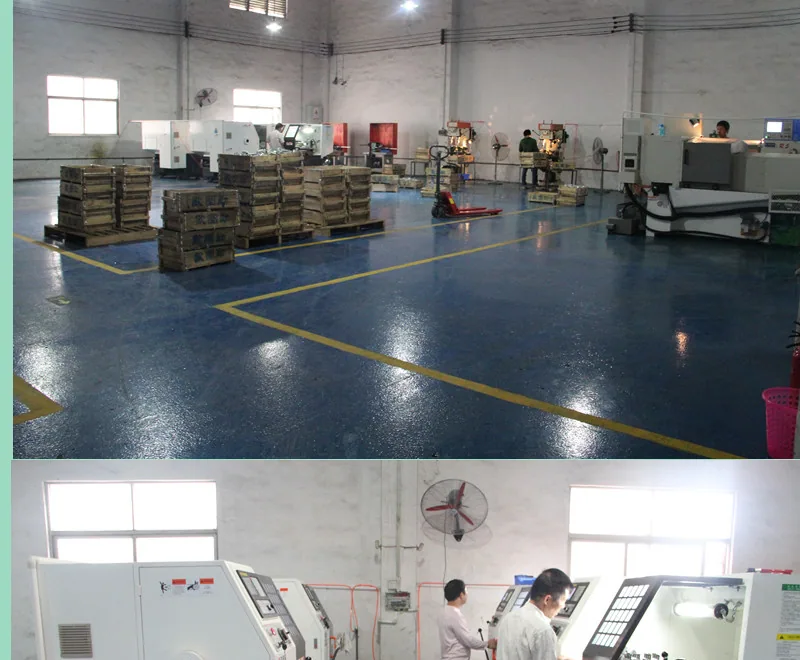
OTOL is an actual factory-backed business, established in 2008. The monochrome background is an OTOL factory archive photograph from 2014; current product and process capability is confirmed by video review or on-site audit.
Automated forming and handling support consistent ceramic production across selected toilet and basin programs.
Production movement is organized to reduce manual handling risk and keep products traceable through the workflow.
Historical OTOL factory photography documents machining capacity and an organized production floor.
Machining operations prepare functional interfaces and components for the approved product specification.
Historical production photography shows OTOL assembly operations. Current product scope is confirmed against the selected range.
Assembly, inspection and packing requirements are defined by product type and the accepted commercial specification.
Quality workflow
Materials and purchased components are checked against the agreed product requirements.
Critical production stages follow the applicable inspection plan for the selected product.
Function, appearance and packing checks are defined by product and order.
The accepted inspection and commercial documents are reviewed before shipment.
Compliance scope
Available cUPC and ETL evidence is matched to the exact model and electrical variant.
WaterMark and other local requirements are checked against the proposed model.
CE and market-specific obligations are reviewed for the relevant product scope.
OTOL evaluates applicable standards, product scope, market opportunity, certification route, cost and timing; approved routes can become part of the project plan.
OTOL confirms the model, variant, destination and available document. A category-level statement is not treated as model-level proof.
Review compliance scopeWorking with OTOL
Coordinates the market brief, product range, channel plan and next commercial step.
Matches the requested function, material, finish and production route.
Reviews the model-level specification, inspection scope and available documents.
Discuss a market brief, arrange a video review or request an on-site factory audit.